
Wanda’s Pregnancy Journey

Have you ever watched someone keep showing up while their body is clearly testing their patience? If so, then you know strength does not always look dramatic. Sometimes it looks like deep breaths, slower movements, extra pillows, and doing the same small things over and over without quitting.
That was my client Wanda, preparing for the birth of her second daughter Casey.
First time around, Wanda handled her pregnancy like a champ but this second one was not for the faint of heart. She was dealing with SPD, which can make everyday things like walking, climbing stairs, rolling over in bed, or getting out of the car feel way harder than they should. This was towards the latter part of her 2nd trimester. A couple weeks later, Casey was not yet in the head-down position, which added another layer of stress to an already demanding season. In other words, this was not the soft-focus, glowing-goddess version of pregnancy.
But here’s what stood out most to me: Wanda would not fold. Yeah, we worked together to alleviate her pain and flip the baby, but I want to be clear, she did a tremendous amount of work on her own. She was determined, disciplined, and willing to keep showing up even on the days when progress felt slow and comfort felt very far away.
Long story short, Wanda got Casey flipped and went on to have a successful birth, and that was a huge win after everything she worked through. If you’re wondering what helped get her there, it came down to 3 big pieces: stability before strength, positioning and mobility, and breath work with nervous system control.
1. Stability before strength
When SPD enters the chat, your body is not asking for chaos. It is asking for support.
So before chasing bigger, harder, or more intense movement, the priority became stability. Better control. Better support. Better awareness of what aggravated symptoms and what actually helped. That matters, because official pelvic-health guidance for pregnancy-related pelvic girdle pain emphasizes pacing, posture, avoiding symptom-aggravating movement, and exercises that support the abdominal and pelvic floor muscles to improve stability and balance.
This part is not flashy, and honestly that is what makes it powerful. A lot of birth prep is not glamorous. It is the boring, consistent stuff. It is choosing control over ego. It is recognizing that sometimes the strongest thing you can do is make the movement smaller, cleaner, and smarter. Wanda embraced that. She did not need to prove she was tough. She needed to build a body that felt supported. And she did.

2. Positioning and mobility
The second piece was positioning and mobility, because when a baby is not yet head-down late in pregnancy, you want a plan, not panic. Now, this is where careful language matters. Mobility and positional work can absolutely be part of helping a pregnant body feel more organized, more comfortable, and more prepared. But if a baby is still breech or not head-down around 36 weeks, official guidance says that discussions with the maternity team usually include options such as external cephalic version, where a clinician attempts to turn the baby by applying pressure on the abdomen. That is the medical side of the conversation. For Wanda, the win here was consistency.
She stayed committed to the daily things she could control while staying in close communication about the things that required medical decision-making. That mentality is huge in pregnancy and in life. You do not waste energy pretending you control everything. You focus on what you can influence and you keep showing up.

And Ricky deserves a lot of credit in this section too. He helped with sifting, helped her through position changes, and gave her the kind of support that makes a hard season feel less lonely. Birth-partner guidance from official maternity sources emphasizes exactly those kinds of contributions: helping with movement, changing positions, supporting breathing, and staying steady when contractions or discomfort ramp up.
3. Breath work and nervous system control
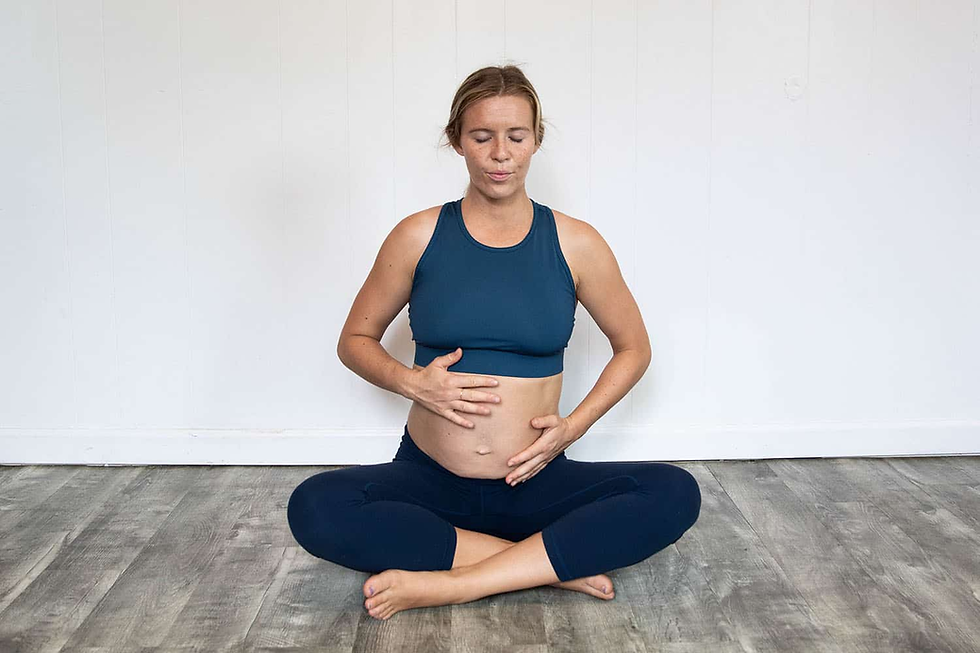
This one gets overlooked all the time because it seems too simple but breathing is not fluff. Labour guidance consistently emphasizes slow, regular breathing and relaxation because pain, fear, and fatigue can all disrupt breathing patterns and increase tension. Some NHS guidance even recommends practicing breathing with a birth partner ahead of time, with the partner helping to cue the rhythm and reinforce relaxation. Wanda practiced breath work and nervous system control because birth is not just physical. It is physical, emotional, hormonal, and mental all at once. If your shoulders are up by your ears, your jaw is clenched, and your whole body is bracing like it is trying to win an argument with the moment, the experience usually gets harder. Breath gives you something to return back to. It slows the spiral that brings the body back into the room. It reminds you that tension is not the same thing as strength. That work matters more than people think.
The part people do not always see
What made Wanda’s journey so meaningful was not one magical exercise or one perfect day. It was repetition. It was trust. It was doing the little things when nobody was cheering. Ricky’s emotional support mattered just as much as the practical help. Encouragement matters. Reassurance matters. Presence matters. Pregnancy can feel incredibly isolating when your body is uncomfortable and the plan keeps changing, so having someone steady in your corner is not a bonus. It is part of the support system. If you are a mom-to-be reading this, let Wanda’s story remind you of something important: you do not need a perfect pregnancy to prepare well for birth. You need support. You need consistency. You need a plan that respects your body.
If you are dealing with SPD or any abnormal discomfort, speak up early and get support. If your baby is not yet head-down late in pregnancy, ask questions and understand your options. If your nervous system feels fried, start with your breath. If you have a Ricky in your corner, let them help and never be afraid to ask, your partner is in this with you. Official guidance is clear that PGP or SPD is treatable, does not harm the baby, and often still allows for vaginal birth, while breech positioning and labour coping are things you should actively plan around with your care team rather than just hope away.
Wanda did the work. Ricky showed up. Casey’s story kept moving forward and all of that steady preparation helped create the kind of smoother birth experience every parent hopes for.
Not perfect. Not effortless. But prepared, and that my friend, is powerful. I'm grateful for the opportunity to work with bad asses like Wanda. Learning more about pregnancy and its complexity was truly a gift. I'm always grateful for each client giving me the chance to learn more and give them the best and healthiest version of themselves. So next time the road ahead looks tough, take a page out of Wanda's chapter, rewrite the story and keep your bad assery going!


Comments